
Know when police gear is near — before you see it.
Police equipment talks. Bodycams, Tasers, and camera systems constantly broadcast Bluetooth and Wi-Fi signals so their docks and cars can find them. Cop Spotter listens for those signatures — and for hidden trackers and card skimmers too. One light tells you which: green means clear, red-and-blue means police gear, purple means a tracker, amber means a skimmer.
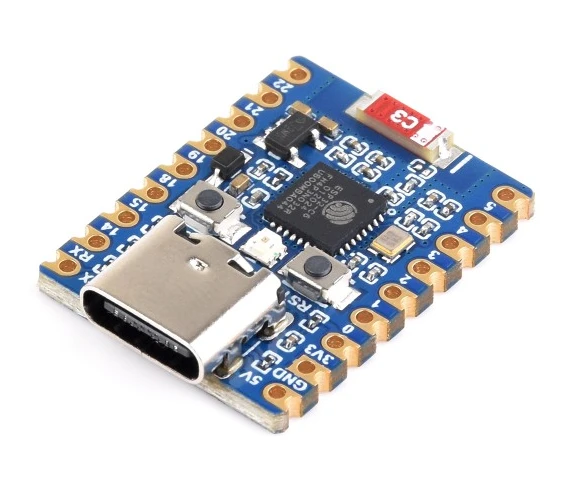
Built in small batches. No subscription. No account.
The signature database is built from public registries — Bluetooth SIG company IDs, IEEE hardware prefixes, and the known broadcast fingerprints of the gear itself.
Axon body cameras announce themselves over Bluetooth so docks can find them — including a hardware signature that survives the address rotation newer cameras use to hide. If a bodycam is close, Cop Spotter knows.
Tasers and Axon vehicle gear broadcast their own Bluetooth identities. Same family, same tell — the spotter matches them against the verified Axon signature set.
Flock safety-camera accessories — extended batteries, setup hotspots — leak recognizable Bluetooth names and Wi-Fi hardware prefixes. Cop Spotter watches both radios.
Modern police radios carry Bluetooth for mics and earpieces, and their hardware shows up in the air with manufacturer fingerprints. A radio match strobes the light exactly like every other gear type — nothing is second-class.
AirTags, SmartTags, Tiles and other tracking tags call home over Bluetooth. Cop Spotter listens for them too — when one is close enough to be traveling with you, the light pulses purple, and the pulse quickens as you get closer, so you can walk it down.
Skimmers hidden inside pumps and card readers phone home through cheap Bluetooth serial modules — and those modules advertise. When one is close, the light blinks amber before your card goes in.
Also in the database: Utility BodyWorn bodycams, Axon Fleet in-car systems, WatchGuard & Digital Ally in-car video, police drones (DJI and anything flying Remote ID), Stryker LIFEPAK ambulance monitors, Cradlepoint patrol-car routers, and Geotab fleet telematics — 103 verified hardware fingerprints in all.
No screen to read. One light tells you everything.
The board continuously scans Bluetooth and Wi-Fi broadcasts — the public advertisements devices send out so other equipment can discover them.
Every broadcast is checked against the signature database: company IDs, service UUIDs, hardware prefixes, and device names known to belong to police equipment, tracking tags, and skimmer hardware.
When a signature matches, the light answers in color — every gear type counts, radios included. Cooldowns between alerts keep the light meaningful instead of constant.
No modes, no menus — Cop Spotter listens for everything at once, and the color names what it heard.
Purple and amber only fire at close range — close enough to be on you or your car — so a crowd full of other people’s trackers doesn’t cry wolf.
Small board. Serious ears.
What it is — and what it isn’t.
Bluetooth carries a room or two, through a wall if you’re lucky. Cop Spotter knows gear is close — it can’t point down the block.
Gear advertises in bursts to save battery. A quiet device can be missed, and the officer in the next car at a red light can trip it. That’s the game, and we’d rather tell you than oversell it.
Plug it into any USB-C power source — car, power bank, wall adapter — or plug it into a power bank and carry it untethered. It just works, silently, until the light changes.
Small batches, built to order.
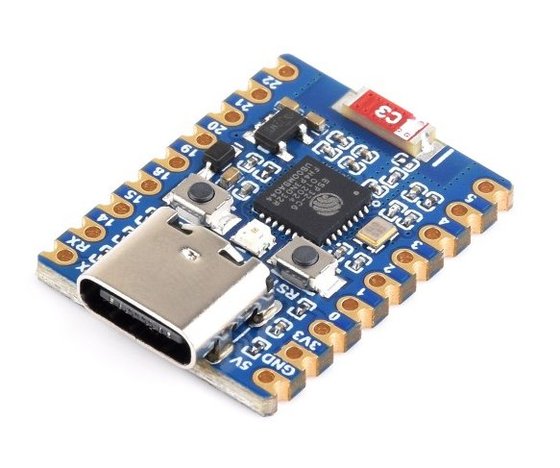
The detector board, with the detection firmware loaded and the signature database installed. You add any USB-C power source — a power bank makes it pocket carry.
Buy now — $50Secure checkout via Stripe — shipping included, address collected at checkout (U.S.). Questions first? [email protected]
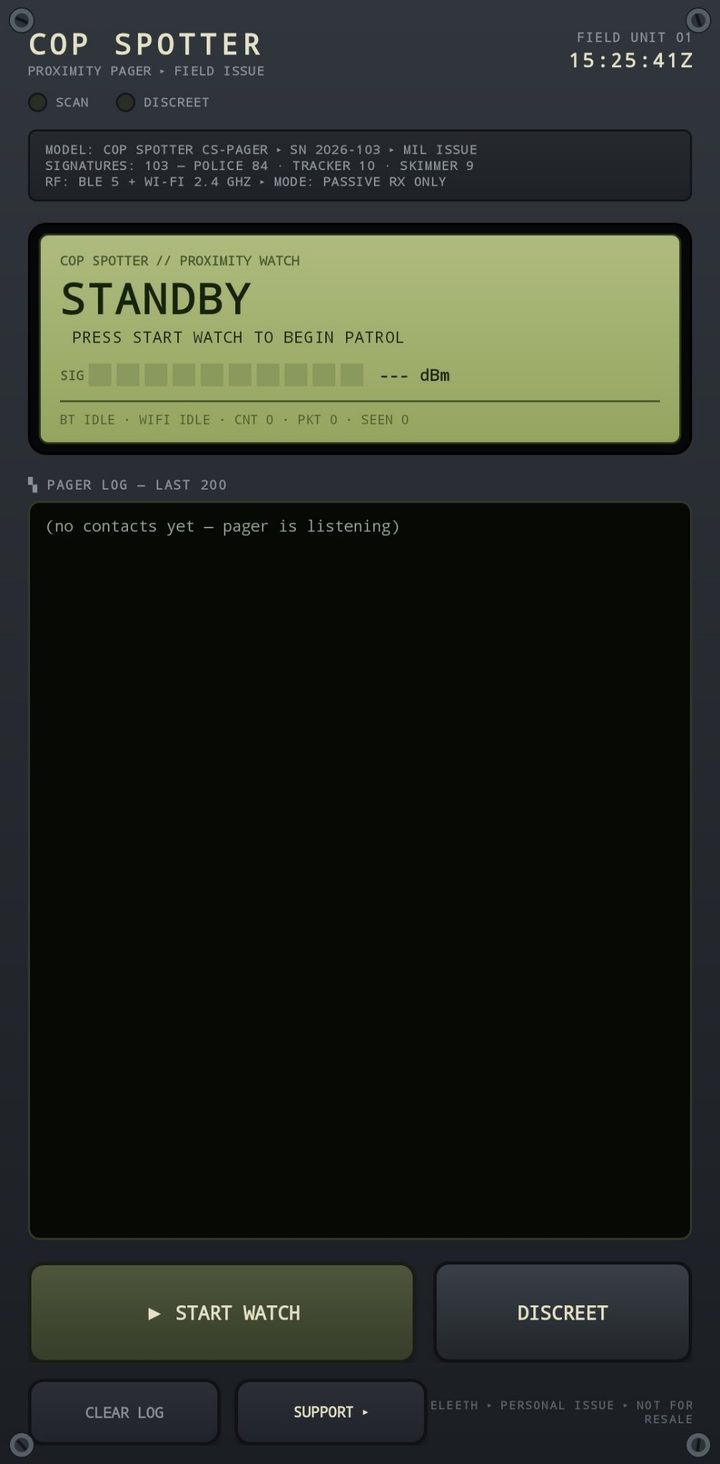
The Cop Spotter app runs the same 103 signatures on your phone — free, no account, Android APK that installs direct. If it earns its keep, chip in: support goes straight into the next batch of boards.
Receive-only, by design. Cop Spotter listens to public broadcast advertisements that devices intentionally transmit for discovery. It does not intercept, decrypt, record, or interfere with any communication, and it transmits nothing.
Know your local laws. Rules around detection equipment vary by place. What the device does is legal in most of the U.S., but the responsibility for where and how you use it is yours.
No guarantees. Detection depends on the target gear being powered and advertising. This is an awareness tool, not a safety device.